3D Printer Cranioplasty
Advanced skull reconstruction technology
Skull defect repair with 12 years of experience using 3D printer technology. Patient-specific design for perfect fit, 6mm incision for minimally invasive approach, and superior aesthetic results.
Treatment Features
Overview
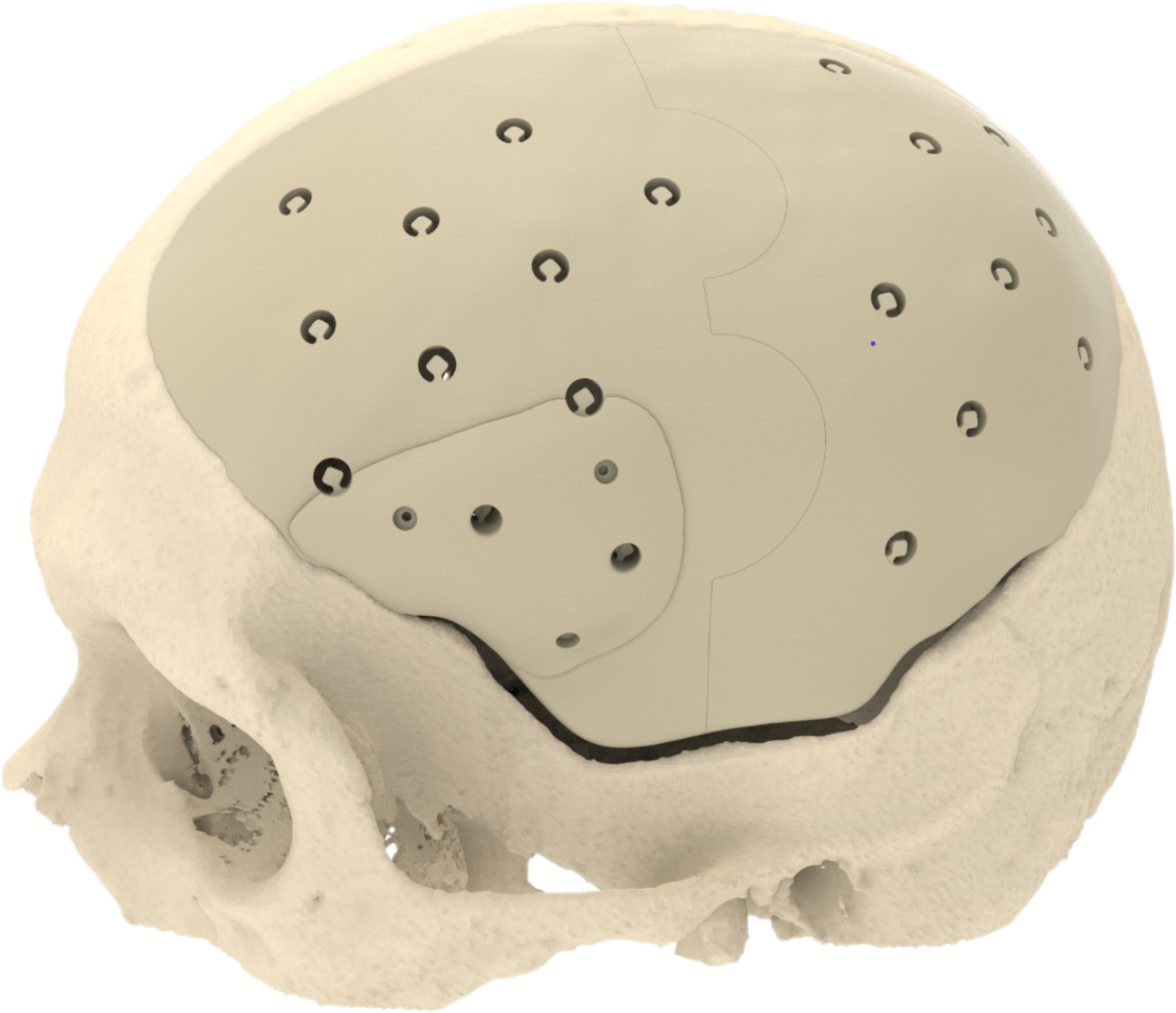
3D printer cranioplasty is the repair of skull defects using patient-specific titanium implants. With 12 years of experience, custom implants designed from CT data provide anatomical precision and exceptional aesthetic outcomes.
What is 3D Cranioplasty?
Cranioplasty is a surgical procedure to repair skull defects. Using 3D technology, custom implants are manufactured from the patient's CT scan data. This method is used to treat skull defects resulting from trauma, tumor surgery, or infection.
Signs and Symptoms
3D Cranioplasty Process
With 12 years of experience, 3D cranioplasty is planned and performed with a patient-centered approach.
3D Planning
Creating 3D models from CT data and analyzing the defect
Implant Design
Patient-specific titanium implant 3D design
3D Manufacturing
Implant production using advanced 3D printing technology
Surgical Implantation
Anatomical placement of implant through 6mm incision
Aesthetic Optimization
Contour matching and aesthetic outcome verification
Advantages of 3D Cranioplasty
Patient-Specific Design
Anatomically customized implant for each patient
Perfect Fit
Millimeter-precise placement with 3D planning
Biocompatible Material
Superior biocompatibility of titanium implants
Aesthetic Results
Natural skull contour appearance
Minimally Invasive
Tissue-preserving surgery through 6mm incision
Experienced Approach
12 years of cranial reconstruction expertise
Recovery Process
Recovery after 3D cranioplasty requires careful monitoring.
First 48 Hours
Week 1
Weeks 2-4
Months 3-6
Who is a Candidate?
Suitable Patients
Not Suitable Cases
Frequently Asked Questions
Titanium implants are biocompatible and, in our 12 years of experience, remain complication-free long-term. They typically do not need to be removed except in special circumstances.
3D design achieves aesthetic results that match the natural skull contour. Patient-specific design ensures perfect fit and appearance.
The 6mm incision provides minimal trauma, so pain is controlled at manageable levels. An effective pain management protocol is implemented.
Titanium implants are MRI-compatible. MRI scans can be safely performed with minimal impact on image quality.
Would You Like to Learn More About 3D Printer Cranioplasty?
Let's conduct a detailed examination and evaluation to create the most suitable treatment plan for you. We are here for you with our experienced team.